eSIM vs Physical SIM in Vietnam: Which Should You Get Before You Fly? (2026 Guide)
Years in Vietnam taught us: bad connectivity ruins trips. Our guide compares eSIM vs a physical SIM so you land connected, skip airport queues, and explore easily. Discover which is best for your trip!
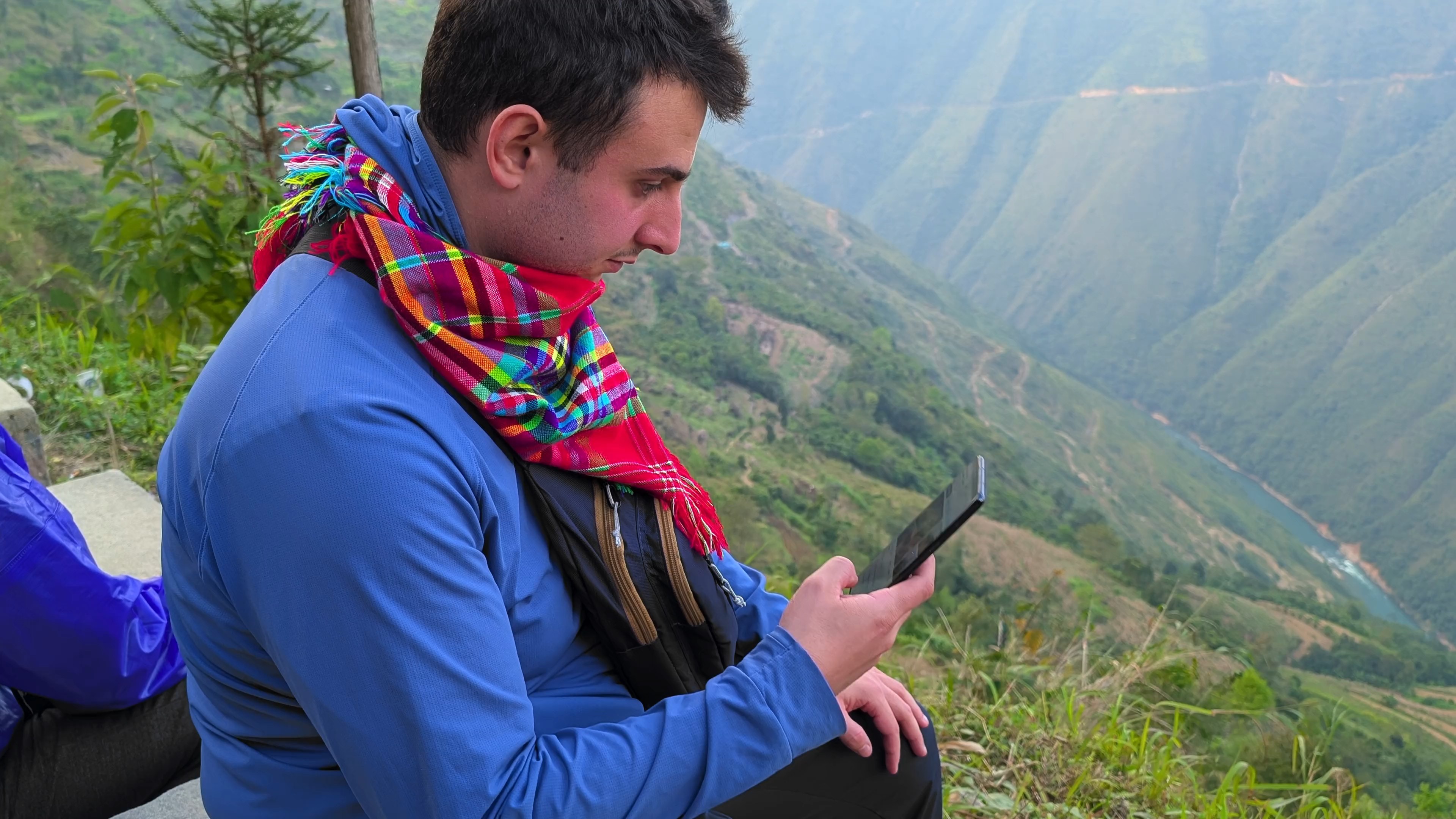
We moved to Vietnam in 2023 and have spent the last few years traveling throughout this beautiful country. From the busy streets of Ho Chi Minh City and Hanoi to the misty rice terraces of Sapa, the remote mountain villages of Ha Giang, the epic bays of Ha Long and Lan Ha, and the tropical islands of Phu Quoc. We rely on mobile data throughout our travels and have tested both eSIMs and physical SIMs while exploring, and one thing has become very clear: getting connected efficiently makes a huge difference to any trip.
For most travelers flying into Vietnam, a Vietnam eSIM turns out to be the smarter and faster choice, especially options like Sim Local that deliver instant connection on arrival without the queues and paperwork of a physical SIM. We've found it particularly convenient because it automatically hops between the best available local networks (Viettel, Vinaphone, or MobiFone) depending on signal strength in each area. Physical SIM cards still have their place depending on your phone and how long you plan to stay. This article walks you through exactly how to decide before you board your flight so you can avoid stress on arrival.
We will compare the two options head to head and share practical tips based on our real-world experience. Vietnam has rolled out 5G incredibly fast in recent years, with over 90% population coverage by early 2026. The good news is that both eSIM and physical SIM options connect to the same local towers, so you get identical real-world speeds and coverage in most cases.
For the latest plan comparisons and current pricing across top providers, see our fully updated Best eSIM for Vietnam guide.
What Is an eSIM and How Does It Work?
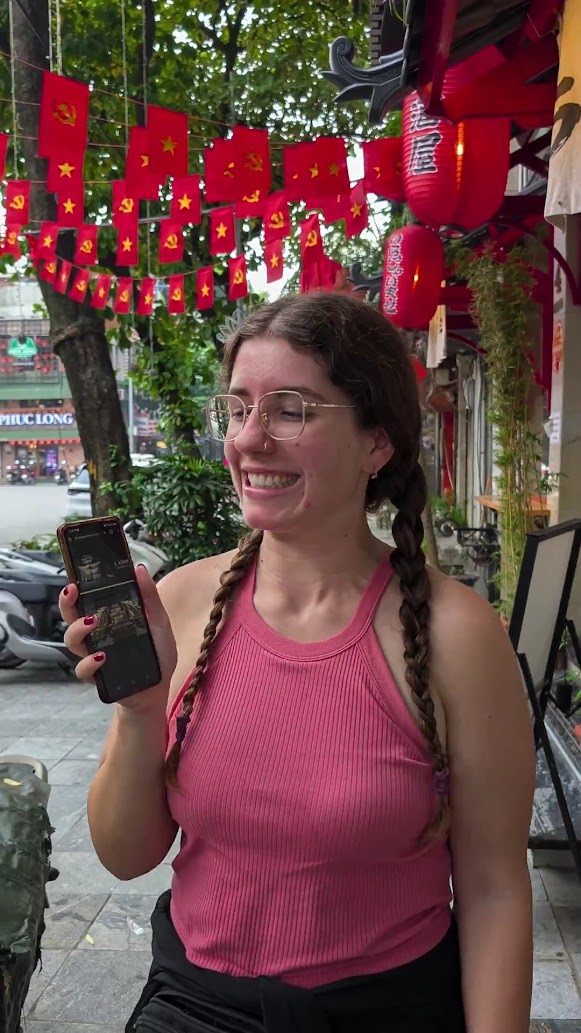
An eSIM is basically a SIM card that you download and install onto your phone. Think of it like a digital SIM. Instead of inserting a tiny plastic SIM card you need to buy in person in Vietnam, you can pre-install an eSIM app at home which gives you data the second you land. It has become one of the easiest ways for travelers to get local data without any hassle at the airport.
Here is how it usually works in practice. You buy your data plan online while still at home. The provider sends you a QR code or activation details. While still in your home country, you scan the code or follow the instructions to install the eSIM profile. Then, when you land in Vietnam and turn on data roaming, the eSIM connects automatically to a local network. In most cases you will have internet within minutes of touching down, before you even get off the plane.
This approach works especially well in Vietnam because you skip having to wait in a local phone store for hours to get a local SIM. You get access straight away to all of the major networks: Viettel, Vinaphone, and MobiFone.
Most newer phones support eSIM technology. Popular compatible devices include iPhone 12 and later models, recent Samsung Galaxy phones (S20 series and newer), Google Pixel 4 and newer, and various other brands. The easiest way to check is to go into your phone settings and look for the "Add eSIM" or "Cellular" option. If you see it, you are good to go.
A helpful tip if your phone has dual-SIM capability: You can keep your home number active for important calls and texts while using the eSIM purely for affordable local data. This way you stay reachable on your regular number without paying high roaming fees.
What Is a Physical SIM Card?
A physical SIM card is the traditional plastic card most of us have used for years. You insert it into the SIM tray of your phone. Unlike an eSIM, you have to buy it in person after you land, go through registration, and then purchase a separate data plan on top of purchasing/registering the physical SIM card. It is the older method that still works fine for many people, especially if their phone does not support eSIM.
eSIM Benefits for Travelers to Vietnam
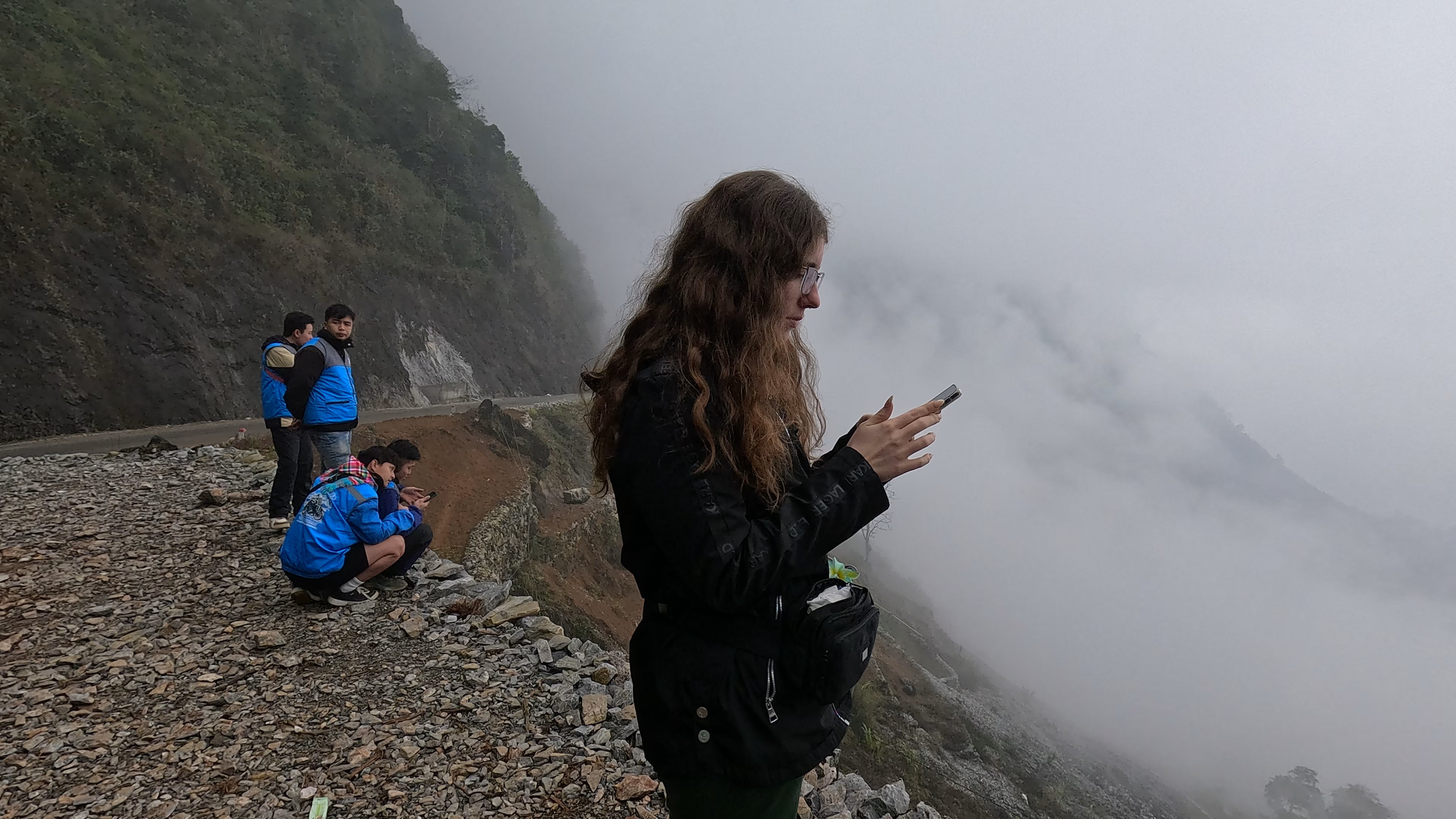
The biggest advantage we experience with eSIMs is how quickly you get connected after landing. You can order a Grab ride, pull up directions, or message family and friends immediately instead of hunting for WiFi or standing in line. Everything is set up from home before you even leave for the airport so there's one less thing to worry about during your trip.
You avoid the extra steps that come with physical SIMs. There is no need to buy a separate card and then add a data plan on top of it. eSIM options also usually work out a lot cheaper than paying expensive international roaming charges from your home carrier.
Other benefits we appreciate include better security (no physical card that can be lost or swapped). In our testing, eSIMs have proven reliable even in more remote spots such as the mountains around Sapa, villages in Ha Giang, the bays of Ha Long and Lan Ha, and islands like Phu Quoc.
Providers like Sim Local make the whole process especially smooth for international travelers. Their plans activate seamlessly on Vietnam's main networks and offer flexible data options with solid support if you need any help along the way.
After testing both options extensively while living here, we’ve found that for the majority of visitors an eSIM delivers the biggest win: instant connection on arrival with the same reliable coverage as a physical SIM.
Why We Like Sim Local for Vietnam eSIMs
Since we've lived in Vietnam for the last few years, we've taken the time to test multiple eSIM providers and physical SIMs while traveling across the country. We've bought Viettel physical SIMs multiple times for longer stays and found them solid for coverage, especially in remote areas, but the setup always involved queues, passport registration, and extra time we’d rather spend exploring.
Sim Local stands out for its smooth activation and reliable performance. With Sim Local we consistently got strong 5G speeds in Hanoi and Ho Chi Minh City, plenty fast for Grab rides, Google Maps, uploading our photos, and even managing to keep up with our daily social uploads, plus reliable 4G fallback in the mountains of Ha Giang and other remote spots like Sapa or Phu Quoc. The real advantage we noticed is that it automatically hops between the best provider at the time: if Viettel struggles in a particular area, it can switch to stronger MobiFone or Vinaphone signal, giving you better overall connectivity than sticking to a single physical SIM from one network.
We appreciate the straightforward data options, hotspot sharing included in every plan, and live chat support if anything comes up. For most short-to-medium trips, it removes the stress of arrival-day setup so you can focus on exploring Vietnam right away. Plans are flexible and activate seamlessly on landing.
Note: This article includes affiliate links to Sim Local. We only recommend providers we’ve personally tested and found reliable. Check current Sim Local Vietnam eSIM plans here to see options that fit your trip.
Who Sim Local Is Best Suited For
From our experience living and traveling in Vietnam, Sim Local works particularly well for:
- Solo travelers and couples on short-to-medium trips (1-3 weeks) who want to land and start using maps, ride apps, and messaging immediately without any hassle.
- Families who need reliable hotspot sharing for multiple devices and consistent coverage across cities, bays, and islands.
- Digital nomads needing dependable data for work while moving between locations, the automatic network switching helps maintain a stable connection even when traveling through varied terrain.
For very long stays (a month or more) where you want the absolute cheapest per-GB rates or a local Vietnamese phone number for services like banking or Grab driver registration, a physical SIM can still make sense. But for the majority of visitors prioritizing convenience and performance, a Vietnam eSIM like Sim Local is often the best eSIM for Vietnam.
Physical SIM Realities: When It Might Still Be the Right Choice
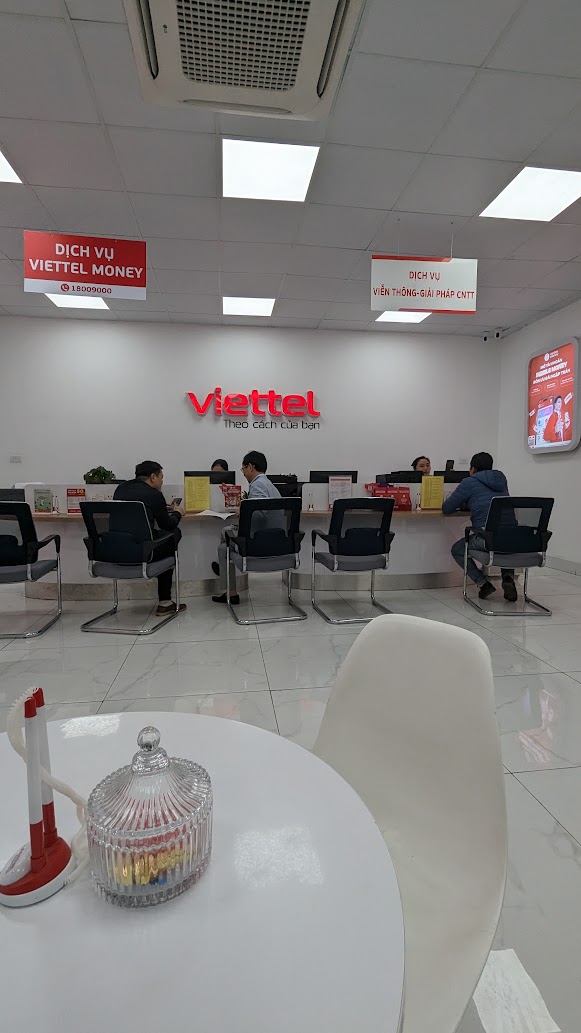
There are still situations where a physical SIM makes sense. The main one is if your phone does not support eSIM at all. In that case, getting a local physical SIM card can be a practical way to avoid the high roaming fees from your home provider.
The largest networks in Vietnam are Viettel, Vinaphone, and MobiFone. Viettel generally offers the strongest coverage overall, especially in rural and remote areas. Both eSIM and physical SIM options use the same local towers, so real speeds and coverage end up identical in most places.
From our experience, here is what the process actually looks like. You must bring your passport because registration is mandatory. Staff will scan it and usually take a photo of you as well for their records. It is smart to bring cash in Vietnamese dong, as many places prefer it over cards (Or will add an additional fee for using the card machine). Try to go as early in the day as possible because queues in the major city stores can easily build up to one or two hours. The whole process is rarely quick. You purchase the SIM card and your local number separately, then choose and pay for a data plan afterwards.
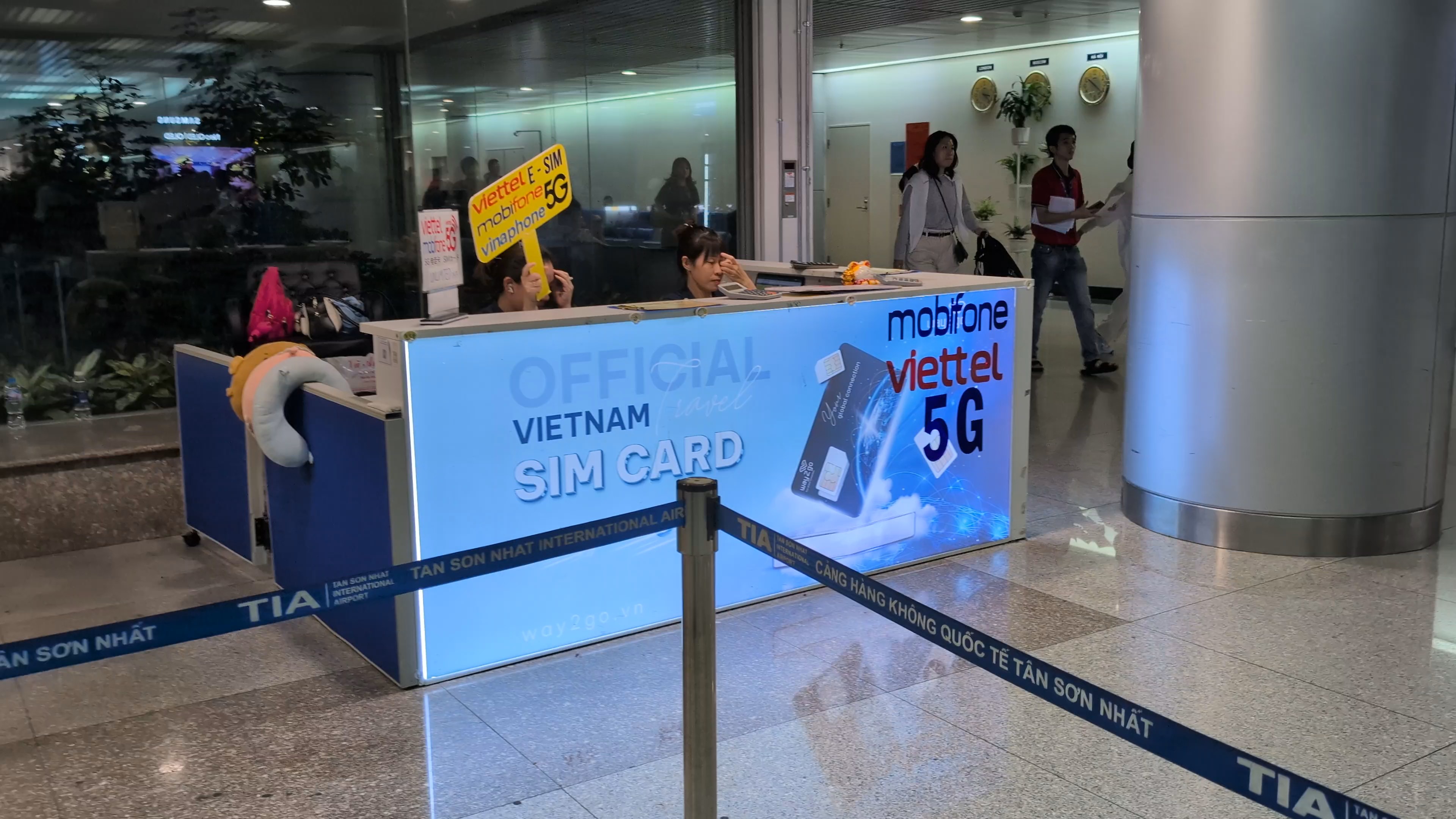
An important safety note: Avoid street sellers and the tiny unofficial booths at the airport. These often sell overpriced, faulty, or about-to-expire SIMs that may stop working after a few days since they know you're unlikely to go back to complain. Stick to official stores or authorized counters for reliability and peace of mind.
Physical SIMs can sometimes work better for very long stays of a month or more when you want a local number or the absolute cheapest per-gig rates.
Head-to-Head Comparison: eSIM vs Physical SIM (Including Sim Local)
| Factor | Sim Local Vietnam eSIM | Physical SIM (e.g. Viettel) |
|---|---|---|
| Convenience and speed on arrival | Almost instant, install at home, connect within minutes of landing via automatic network selection | Involves queues, passport registration, and waiting for activation |
| Setup process | QR code from home, no store visit needed | Must visit official store, show passport, bring cash, register in person |
| Approximate cost (short trip example: 10-20GB over 2 weeks) | Competitive (often $12-25 depending on plan and duration) | Can be cheaper per GB (~$6-15 for similar data), especially for longer stays |
| Network access & performance | Automatically hops between Viettel, Vinaphone, MobiFone for best signal; strong 5G in cities, reliable 4G in remote areas | Locked to one network (Viettel strongest overall for coverage); good speeds but no automatic switching |
| Data allowances & hotspot | Flexible daily or total data options; hotspot sharing included in plans | Daily high-speed buckets common (e.g. 5GB/day); hotspot usually available but varies by plan |
| Local Vietnamese number | No (data-only focus) | Yes—useful for long stays and certain local services |
| Best suited for | Short/medium trips, solo travelers, families, digital nomads wanting simplicity and multi-network coverage | Long stays, phones without eSIM support, or when a local number is needed |
| Any quirks | Depends on your phone's eSIM compatibility; some plans have daily high-speed caps | Time-consuming registration; risk of queues or unofficial sellers at airports |
In our testing across cities, mountains, bays, and islands, the coverage felt consistent as long as we were on one of the main networks. The real difference came down to how much time and stress we wanted to deal with on arrival day. For most visitors, the convenience and network flexibility of a Vietnam eSIM like Sim Local makes it the best eSIM for Vietnam.
How to Get Connected: Before You Fly or on Arrival
For most visitors we recommend the eSIM route. Buy your plan before departure so you have time to install it properly. Scan the QR code, restart your phone if needed, and leave data roaming off until you land. Once you arrive, switch it on and you should connect automatically. Test it with a quick map search or message before leaving the airport.
If you need a physical SIM instead, skip the airport counters and use the airport WiFi to order a Grab, before heading to an official city store.
A simple way to estimate your data needs: For a typical two-week trip with navigation, social media, messaging, and occasional video calls or uploads, 10 to 20 GB is often plenty. Light users might manage with less, while heavy streamers or hotspot users may want more. We usually check our usage after a few days and top up if needed.
Our Recommendation for Most Travelers
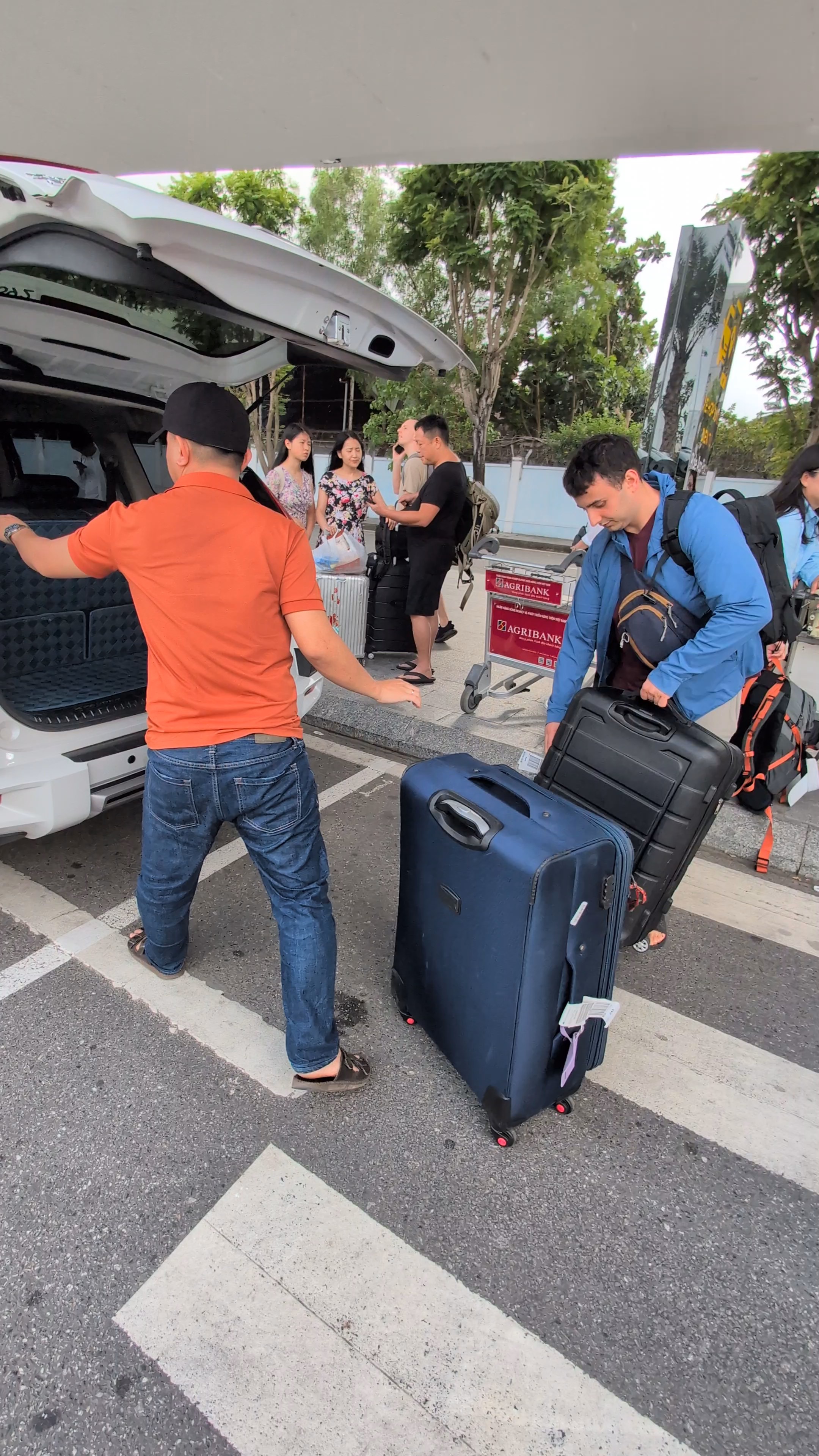
After testing both options extensively while living here and traveling around Vietnam, we recommend going with a Vietnam eSIM for the majority of people flying in—particularly Sim Local for its reliable speeds and automatic network switching. It saves so much time and hassle on arrival day while delivering the same (or better overall) performance and coverage than a single-network physical SIM.
We have found options like Sim Local particularly effective for travelers. Their plans are straightforward, work well on the main networks, and come with the flexibility most visitors need. See current Sim Local Vietnam options here and compare them to your trip length.
For detailed plan comparisons and current pricing, check out our fully updated Best eSIM for Vietnam guide. We break down top providers there, including how Sim Local stacks up against the others.
Frequently Asked Questions
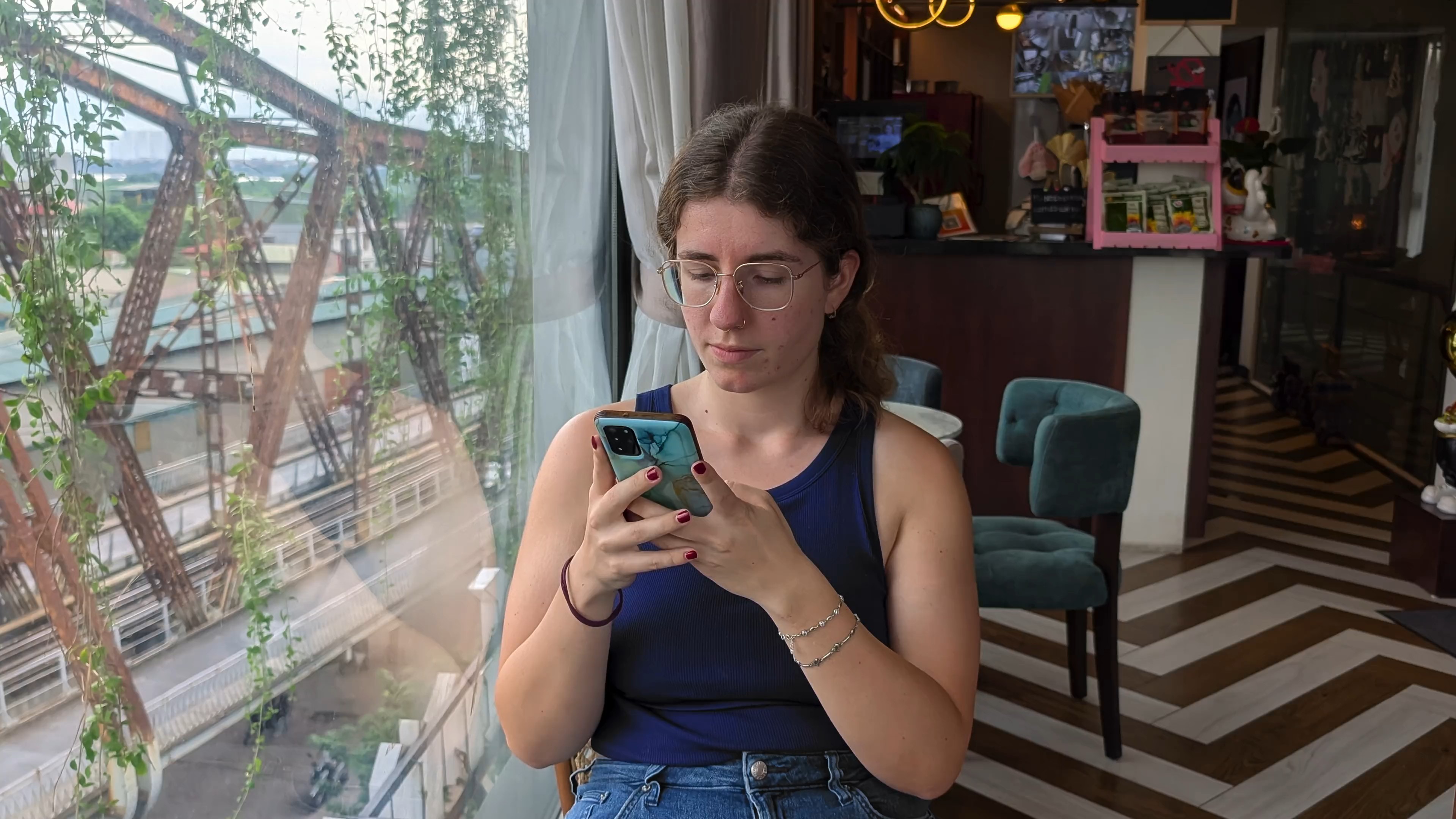
- Can I keep my home number active? Yes. If your phone supports dual SIM (physical + eSIM or two eSIMs), you can keep your home SIM for receiving calls and texts while using the travel eSIM for data.
- What if my phone is not eSIM compatible? A physical SIM from one of the major networks is still a solid choice. Just plan a bit more time for the purchase and registration process.
- How much data do I really need in Vietnam? For most two-week trips, 10 to 20 GB covers navigation, social media, messaging, and light streaming. Monitor your usage in the first few days and top up if necessary.
- Will it work well in remote areas like Ha Giang or Phu Quoc? Yes, especially since eSIMs like Sim Local typically swap between the fastest local networks. We have had good signal in most places we have visited, though very remote spots may drop to slower speeds occasionally.
- How does 5G availability look right now? Vietnam has expanded 5G quickly with over 90% population coverage by early 2026. Not every remote corner has 5G yet, but 4G fallback is reliable almost everywhere.
- Any big differences between urban and rural performance? Urban areas and popular tourist spots usually have the fastest and most consistent speeds. Rural and mountainous regions can be slower but barely a noticeable difference unless you're streaming videos in 4k.
Conclusion
Choosing between an eSIM and a physical SIM for Vietnam comes down to your phone and how much convenience you want on arrival. For most travelers, a Vietnam eSIM wins because it lets you land and start exploring right away without queues or extra steps. Physical SIMs remain a practical backup when your phone does not support eSIM or for very long stays.
Plan a little before you fly and you will spend far less energy worrying about data and far more enjoying everything Vietnam has to offer, from mountain views and bay cruises to island beaches and bustling city streets.
For detailed comparisons of the best eSIM providers (including how Sim Local performs against others), check our fully updated Best eSIM for Vietnam guide.
Safe travels, and we hope this helps you get connected smoothly.